All Categories
Featured
UK Capital Investment Trends Impactful for Corporate Growth
Integrating Ethical Standards in British Corporate Strategy
Leveraging ESG Mandates for Long-Term Success
Table of Contents
"Huge ticket purchases were back on the table with cars and truck sales significantly greater, people were currently scheduling their summer season holidays, and accountants and accountants saw a spike in workload as businesses prepared for the substantial modification of Making Tax Digital which went live at the start of April." Hewson included the recuperate from last year's cyber-attack on Jaguar Land Rover was continuing to power the production sector as the supply chain raced to make the most of pent-up demand.
"This will have just been intensified by the situation in the Middle East, which has actually altered the anticipated path of rate of interest." Barret Kupelian, primary economist at PwC, included: "Had the UK economy started to turn a corner after the Autumn Declaration and before the current developments in the Middle East? Today's data suggests it had.
Output grew by 0.5% in the three months to February, with both production and services broadening together. "More notably, this was development powered by the private sector instead of the general public sector-dominated parts of the economy that had propped up much of the post-2023 photo. That suggested the healing was ending up being wider and more resilient.
Our summertime outlook most likely isn't as bad as England's possibilities of winning the World Cup this summer, but it still does not produce the most pleasant reading. The Iran conflict has actually risen our inflation forecast, weighing on growth and the labour market. Domestic political uncertainty, including yet another change in Prime Minister, adds further headwinds through greater loaning costs and gilt yield pressure.
Corporate Review of British Industry Trends in 2026The dangers to that outlook are larger than usual and greatly reliant on how the scenario in the Middle East establishes. But the economy has actually grown at an average of 1.2% through two turbulent years, and the early signs suggest that strength will hold. Development will be slower than in 2015 and with inflation on its method back up the UK remains in for another batch of 'stagflation'.
Why Sustainable Value Networks Drive UK Business Success
Dangers loom big, the war in the Middle East will decide whether the UK economy goes into economic crisis. Partner Between the Iran dispute and yet another tussle for no. 10, this summer's outlook brings a much larger health warning than usual. Our base case is slower growth and rising inflation, but not economic downturn.
The UK is especially exposed given its reliance on gas for electrical energy pricing, which is why the International Monetary Fund (IMF) has actually modified its UK inflation and growth forecasts more dramatically than any other industrialized economy. Inflation briefly dipped below 3% for the very first time because early 2025, however the reprieve will be brief.
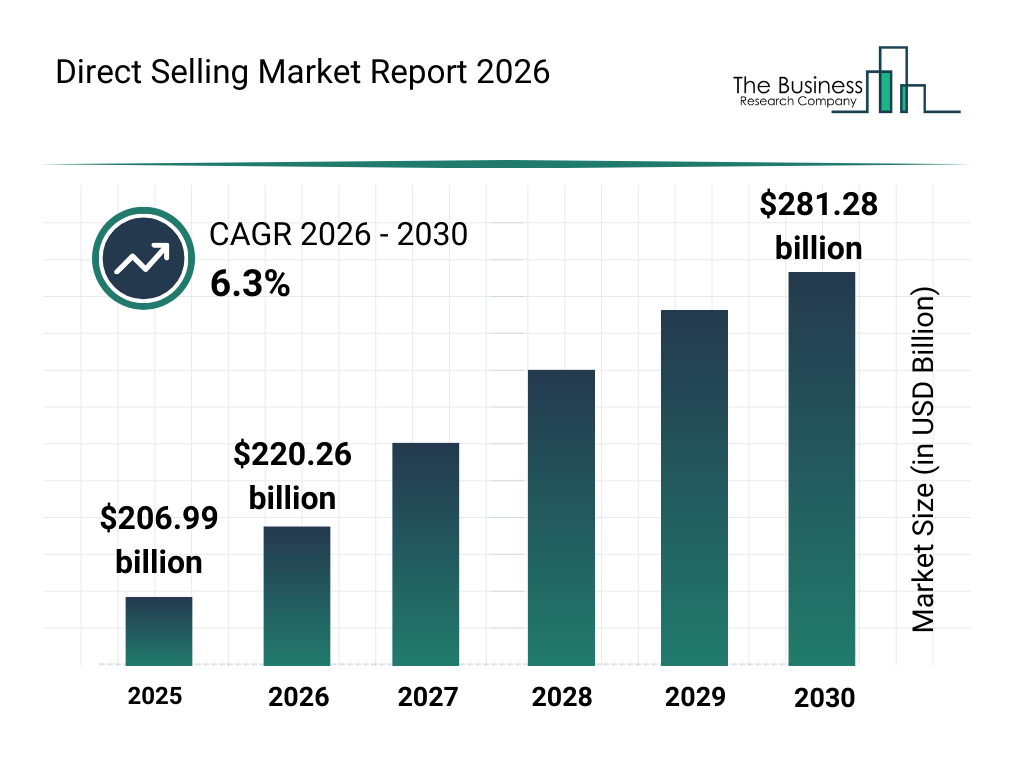
A weaker labour market and softer need need to prevent a repeat of 2022's double-digit spike, limiting second-round impacts. Our base case is inflation averaging 3.1% in 2026, peaking around 3.5%, before reducing to 2.5% in 2027, though risks loom large if the Strait of Hormuz stays closed. The UK labour market was already softening before the current energy shock, with unemployment rising to 5.0% and jobs at their least expensive since the pandemic.
Corporate Review of British Industry Trends in 2026Companies are not yet shedding personnel, but unwillingness to employ is broadening the space between task growth and population development. Greater energy expenses will compound the pressure, and we anticipate joblessness to peak at 5.3% by year end. With wage growth slowing to around 3.75% and inflation heading towards 3.5%, real pay looks set to be stagnant another challenging year for living standards.
3 factors restrict the case for hikes: the energy shock is smaller sized than in 2022, rates are currently at a restrictive level, and a weaker economy lowers the danger of second-round inflation results. That stated, rate increases can not be ruled out if energy costs rise further. Gilt yields are most likely to remain elevated regardless, driven by the UK's inflation level of sensitivity and political uncertainty around a prospective change of Prime Minister, keeping loaning costs high throughout the economy even if the policy rate stays on hold.
Expert Personnel Management for Modern UK Firms
The UK is especially exposed provided its reliance on gas for electrical energy rates, which is why the International Monetary Fund (IMF) has actually modified its UK inflation and development projections more sharply than any other industrialized economy. Inflation briefly dipped listed below 3% for the very first time because early 2025, but the reprieve will be temporary.
A weaker labour market and softer need should avoid a repeat of 2022's double-digit spike, restricting second-round impacts. Our base case is inflation balancing 3.1% in 2026, peaking around 3.5%, before easing to 2.5% in 2027, though threats loom large if the Strait of Hormuz stays closed. The UK labour market was currently softening before the most recent energy shock, with joblessness rising to 5.0% and vacancies at their lowest because the pandemic.
Companies are not yet shedding staff, but reluctance to hire is widening the gap between job growth and population growth. Higher energy expenses will intensify the pressure, and we expect unemployment to peak at 5.3% by year end. With wage development slowing to around 3.75% and inflation heading towards 3.5%, real pay looks set to be stagnant another difficult year for living requirements.
Three factors limit the case for hikes: the energy shock is smaller sized than in 2022, rates are currently at a limiting level, and a weaker economy decreases the threat of second-round inflation impacts. That stated, rate rises can not be dismissed if energy prices rise further. Gilt yields are likely to remain raised regardless, driven by the UK's inflation sensitivity and political unpredictability around a possible change of Prime Minister, keeping borrowing expenses high throughout the economy even if the policy rate stays on hold.

Latest Posts
The Strategic Impact of Ethical Supply Chains
Future-Proofing the 2026 Workforce for Corporate Agility

UK Capital Investment Trends Impactful for Corporate Growth